Leading 6 Adverse Effects Of Teeth Whitening And Solutions
By @danteuiwc973
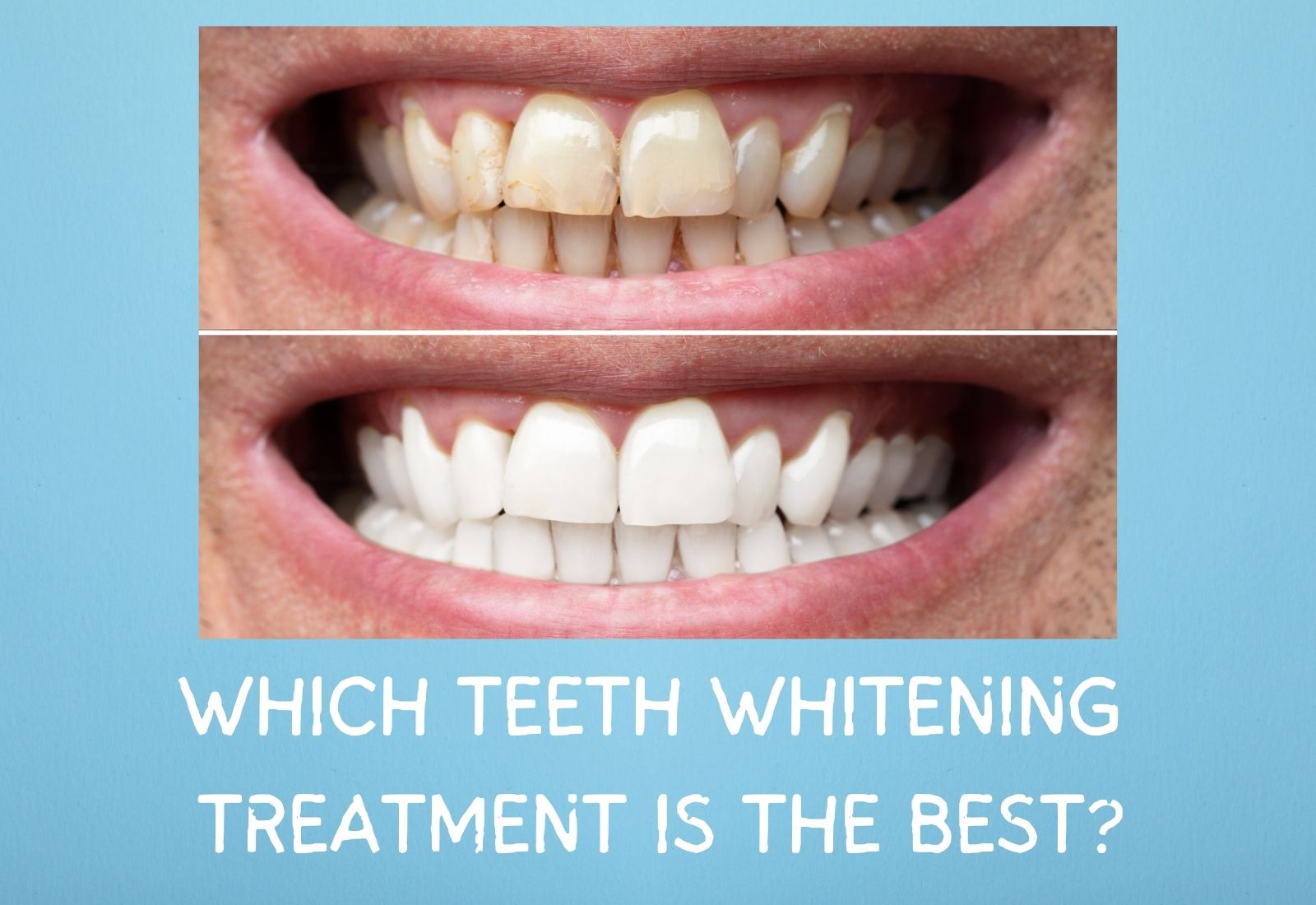
Feasible Teeth Whitening Negative Effects If you are seeking excellent quality oral treatment, I would extremely recommend. The enamel pores open momentarily during lightening, exposing internal dentin to temperature modifications. Most dental professionals recommend no more than twice annual under supervision. Overuse of peroxide damages enamel, often irreparable, which raises sensitivity. These tiny routines suit any type of way of living and prolong the time between bleaching sessions without shedding your shine. "You can walk in with one color of teeth and leave with them looking much whiter," she says.
Is Teeth Bleaching Secure?
While moderate side effects like level of sensitivity or gum tissue inflammation can occur, they are typically temporary and manageable. Consult a dental specialist to ensure the treatment appertains, and follow aftercare tips to keep your results. In-office, expertly used tooth whitening items contain hydrogen peroxide in focus varying from 15% to 43%.Can Teeth Bleach Damage Teeth?
What are the risks of bleaching teeth?
Dangers generally reported with tooth bleaching consist of boosted tooth sensitivity and mild gingival irritation. The degree of these adverse effects is directly pertaining to the concentration of the Crest 3D Whitestrips peroxide bleach element, duration of the therapy, and the non-bleach composition of the product used.
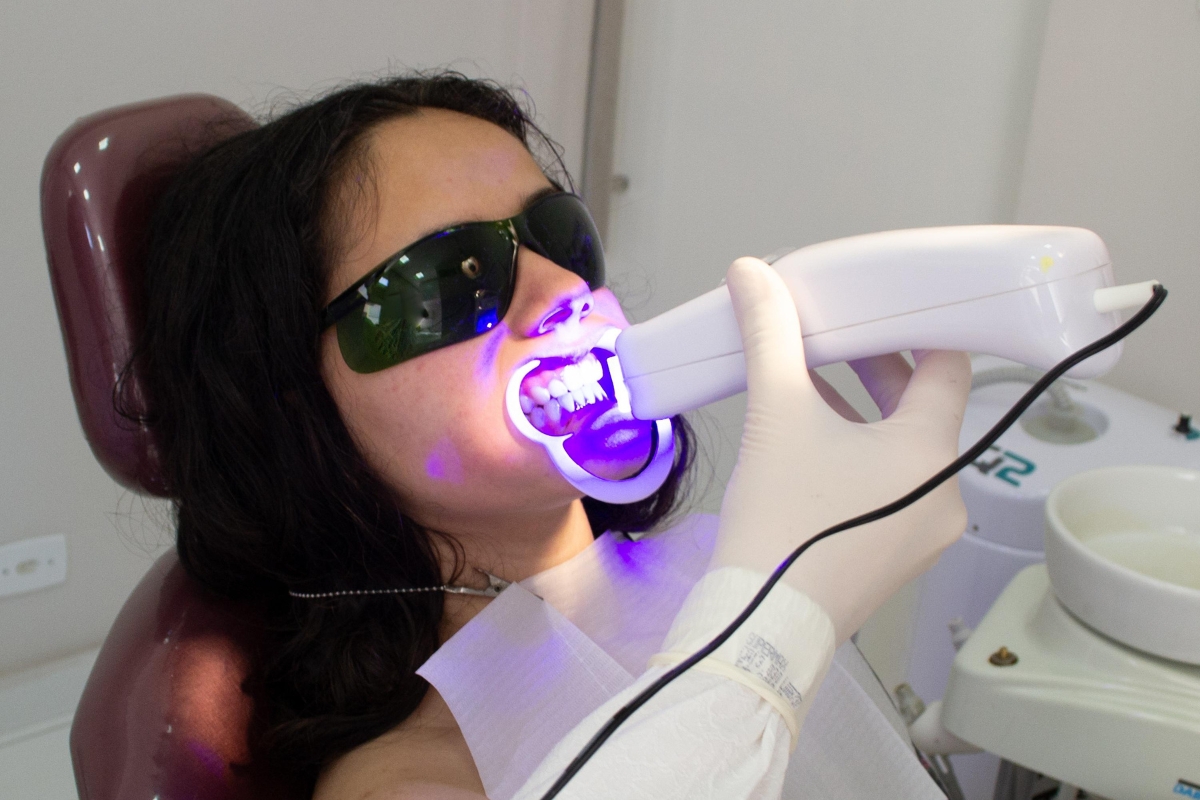
- Quicker tooth lightening can be achieved through in-office lightening because the products provide greater focus of peroxide than OTC.
- To provide lightening mouthwashes a boost, some individuals wash initially and then comb their teeth with a lightening toothpaste.
- Each technique brings back teeth to a whiter color, but professional therapies are typically more reliable and much safer.
- Bleaching gels, especially those with high concentrations of peroxide, occasionally enter into call with the periodontals, causing mild inflammation or a momentary white look.
- New studies have actually shown that aggressive tooth lightening can cause increased tooth sensitivity, changes in tooth microstructure, and remediation changes.
Corrections
Spot something wrong? Send it to the desk and it gets fixed in the open.